Glorious deletion; AI vs. copyright; Pogue’s book jacket: Newsletter 25 March 2026
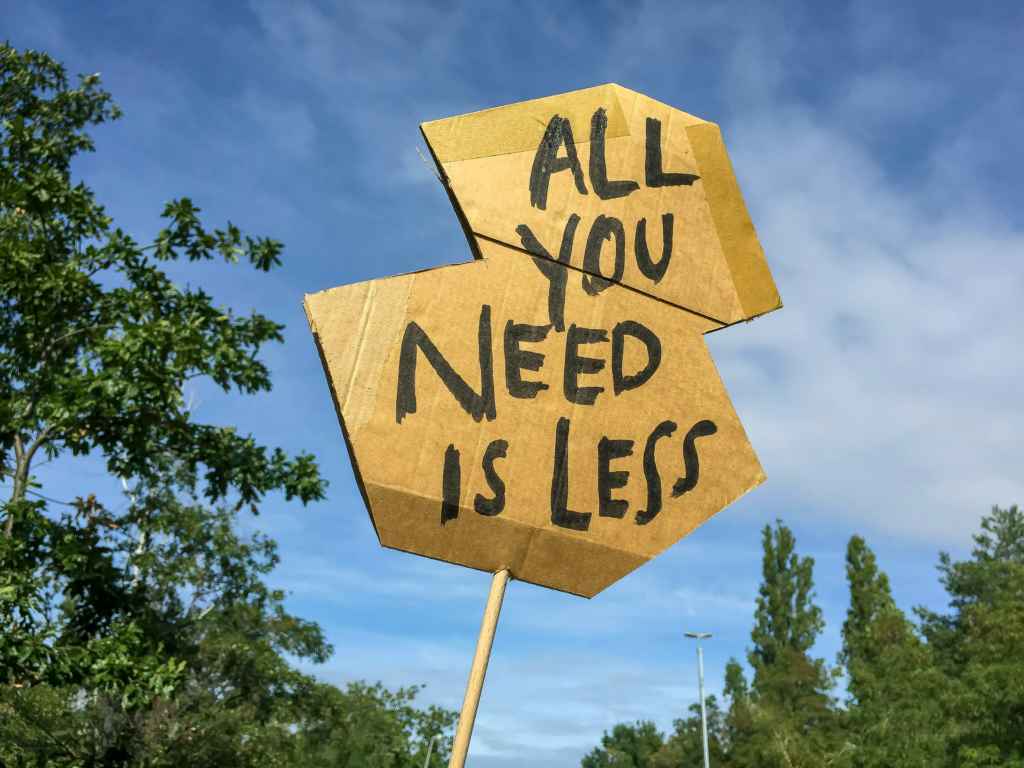
Newsletter 144. Why writers must embrace “less is more,” and what to do about it. Plus, how Shy Girl was outed as AI-generated, why AI illiterates will be unemployable, three people to follow and three books to read.
Shorter
I don’t know what’s wrong with what you wrote. But I know how to fix it.
Make it shorter.
We are all focused on creation. There is an endless supply of advice on how to generate ideas, structure stories, flood the world with content, and then repeat to promote. But there is no manual on how to delete. And there doesn’t have to be. The simple requirement to make things shorter forces writers to focus on what matters.
This applies whether you’re creating a 1,000-word article (that could be 750), a 10,000-word research report (that could be 6,000), or a 325-page book (that really should be 225).
Shorter is better for two reasons.
First, we all have less patience and shorter attention spans, a trend that mobile devices and social media are intensifying. If you don’t want your reader to give up, give them only what they need.
But second, and perhaps more importantly, the requirement to make things shorter forces choices. By removing what doesn’t add as much value, it sharpens the focus on what does. One or two great concepts are more powerful than five or six pretty good ones.
How do you delete intelligently?
- Figure out which of the things you are saying are most important. Create a list (5 ideas in my article, 30 concepts in my book). Now delete the least important 40%.
- Combine. Often three ideas are actually three facets of one idea. It’s more efficient and less repetitive to explain the combined, more powerful idea.
- Be less wordy. Every 10-sentence paragraph can probably be reduced to seven sentences. Every 18-word sentence ought to be 11. Writing tends to create convoluted ways of expressing an idea, with lots of subordinate clauses. Untangle them and say just what you mean.
Before I leave this topic, you may be wondering: why don’t people write less to begin with? Because they can’t. The process of researching, thinking, and writing inevitably generates more text than you need. This is a feature, not a bug: it’s how we process what we know into what we write. So don’t kick yourself for having written too long; it’s a sign of a fertile creative mind.
But don’t just settle for what you wrote.
Delete.
News for writers and others who think
Jane Friedman created a fantastically valuable lay author’s guide to AI and copyright, debunking some of the most extreme misinterpretations (like “If you use AI at all, you can’t copyright your book.”).
Thaddeus McIlroy shares a detailed and captivating description of the details behind the saga of the apparently AI-authored horror book Shy Girl that Hachette just cancelled. He explains that he was the original source for the eventual New York Times article on the scandal.
David Pogue explains the twists and turns in his quest to find the ideal cover graphic for his book Apple: The First 50 Years. His first idea, a riff on the Apple logo, would have been awesome — and almost certainly would have gotten him sued for abuse of a trademark.
Keith Riegert, president of the Stable Book Group told the London Book Fair that “anyone who isn’t AI literate is probably unemployable.” He told Publisher’s Weekly “I don’t take pleasure in saying that. I see the human cost AI may have on our industry and it terrifies me. I’m trying to encourage people to prepare themselves.” (subscriber link).
The publishing company Chicken Soup for the Soul sued OpenAI, Anthropic, Google, Meta, xAI, Perplexity, Apple, and Nvidia for copyright infringement, claiming that the entire AI industry is built on stolen book content. (Publisher’s Weekly subscriber link).
Three people to follow
Michael Bhaskar, author, ex-publisher, and Microsoft exec exploring AI and the future of ideas.
Fauzia Burke, digital book publicity pioneer
Dan Blank, expert on growing and exploiting author platforms
Three books to read
This section is especially rich this week, since three awesome new books just came out (or were announced).
Winning with AI: Your 90-Day Blueprint for Success by Charlene Li and Katia Walsh, Ph.D. (Amplify, 2026). Stop fooling around with pilots. Use AI to achieve big business goals.
Becoming the Warrior: Harnessing Your Inner Strength to Silence Self-Doubt by Jenn Donahue, PhD, PE (Amplify, 2026). Solving problems under extreme pressure is what Jenn did in the military and throughout her career. Learn from her mindset.
Thoughtload: Manage the Madness and Free Your Team to Do Great Work by Liane Davey (Page Two, 2026). Moving teams past the overwhelming burden of increasing cognitive and emotional demands.
Control your persona
Own your identity before AI hijacks it. Sign the manifesto.
“The Future Book” by Mac Barnett was a hit with my grandkids. An unexpected twist from your usual universe.
Guess what, I liked it too.
Thanks!