Collaborative writing, or, the public colonoscopy
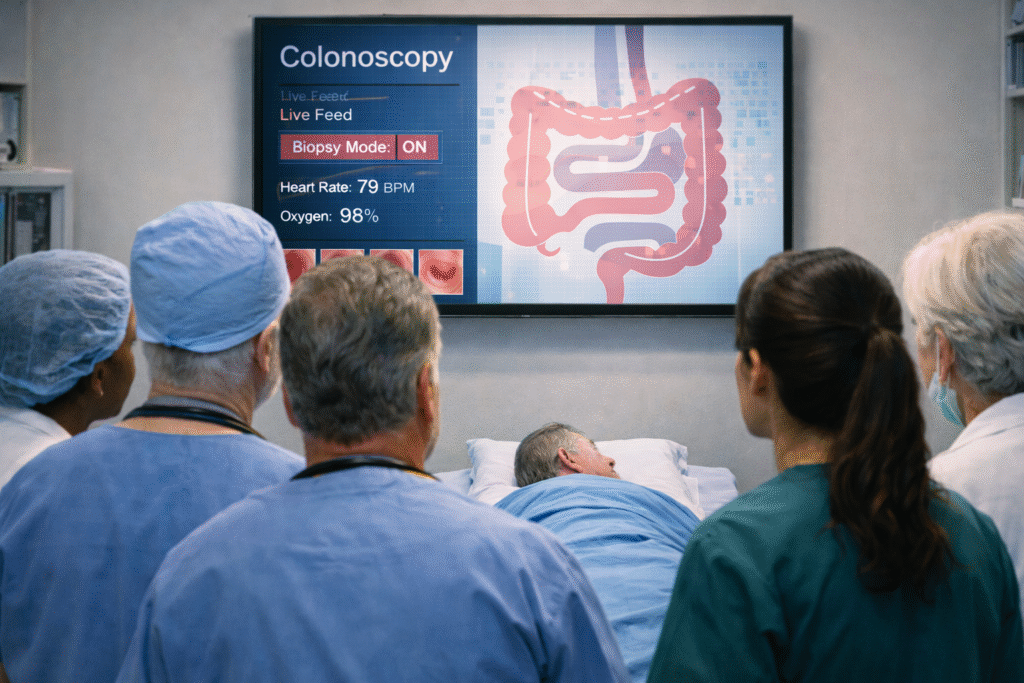
I did it again. I joined a collaborative writing project in a controversial space with a bunch of volunteer collaborators who are also writers and editors. It’s sort of like having a colonoscopy with a whole bunch of other people looking on, critiquing what they see, and making “helpful” suggestions.
Ew.
What was I thinking?
But each time I do this, I learn something. I help create something that makes the world better. And I feel like I contributed something important. (I’m sure this what it feels like to participate in an open-source software project, except with words instead of code.)
This has been way more fun than a colonoscopy.
Tips for highly collaborative, controversial writing projects
If you’re in a position to collaborate on a task like this, I encourage you to do so with your eyes wide open. And here are some suggestions for how to participate successfully.
- Work together on something short. A highly collaborative process on a 500-word document is likely to converge. The same process on a 10,000-word document is virtually impossible to manage. The collaborators on the shorter document are more likely to stay engaged and to be able to see the big-picture impact of their suggestions. That helps a lot.
- Agree on goals. Everybody should start from a similar starting point. That means up-front, there must be rough agreement on what the document is supposed to do. If half of the collaborators think it’s a how-to manual and the other half think it’s a manifesto, you’re never going to get to resolution. Agreeing on goals also allows people to determine if the document is succeeding or not, and how it might be changed to make it more successful.
- Use Google Docs. It’s perfect for this. Its key features are, 1) It allows everyone to see and respond to each others’ comments, 2) It allows editing in real-time where everyone is looking at the same document, and 3) Every professional writer knows how it works. I know Word in Microsoft Office 365 can do some of the same things, but it’s clunkier. Notion and Coda are cool, but not everyone knows how to use them. The other Google Docs feature that I’ve found useful is tabs, which allow you to put a whole bunch of supporting material in the document for reference, but separate from the key piece of text.
- Choose a lead writer (which could be you). Committees don’t write things. Writers do. A collaborative writing project is far more likely to succeed if one person is responsible for creating drafts, responding to feedback, and identifying ways to improve the text. The lead writer should be good at listening to and identifying the most valuable parts of critiques. They should also have a really thick skin, because if they feel proprietary about what they wrote, this process will break them. When possible in these projects, I accept the role of lead writer, because I have the time, the temperament, and the skill to do so successfully, and I like having a big say in the final result.
- Start with a fat outline. A fat outline is a rough description of what will be in the document, in what order, with a few details thrown in. It enables collaborators to focus on organization and content without triggering the part of their brains that gets all upset about word choices, split infinitives, and commas. The lead writer can easily take feedback on the fat outline and incorporate it before the first draft, since the fat outline doesn’t include any actual reader-ready to get attached to.
- Critique thoughtfully. Like all editors, I sometimes read writing and think, “That’s stupid.” I sometimes feel the same way about edits that other people suggest in my writing. That’s fine, but before you share that critique, you need to restate it, because “That’s stupid” doesn’t tend to generate productive discourse. Every critique should include a logical, fact-based justification for why what’s written is a problem and a suggestion on how to fix it. That’s far more likely to lead to a productive resolution than just identifying what’s stupid.
- Edit separately, but decide together. I’ve found this process productive: 1) Create a draft. 2) Give people at least three days to add comments. 3) Meet in videoconference, with everyone looking at the document, and resolve issues that people have raised. The last step creates productive discussion and tends to lead to valuable insights, but it’s only workable on a short document.
- Pursue insight, not compromise. When I’m the lead writer, I try as hard as I can to accept and respond to all feedback. In some cases, that means taking a collaborator’s suggestion and identifying how it will clearly improve the result. In others, though, it means finding the more fundamental problem that generated the critique. Often suggestions here reflect hidden differences of opinion about what the document is supposed to be doing, who the audience is, or what the appropriate tone is. Surfacing and resolving those issues makes the document better and more insightful. It’s a far better strategy than trying to settle on some generic text that everybody agrees is just okay.
- Make collaboration an exercise in leadership. Here’s what leadership means in this context: Make sure every comment is addressed. Seek ways to include multiple viewpoints under a common umbrella. Use respect and humor to enable the team to feel unified and fulfilled. Use writing skill to inspire people and reinforce their sense of contribution. All of this not only serves the document and its audience, but reinforces the efforts of the people collaborating.
- Nobody gets “final say.” There’s no better way to destroy the faith and good feelings from this collaboration than to turn the final result over to someone in a position of power who can revise it at will. The collaborative committee gets final say, not any individual. In my recent project, I made this a precondition before I agreed to participate.
It’s worth it
When you’re thoughtful about process and philosophy, a collaborative writing project can generate powerful responses from the intended audience. It inspires. Compromise and sanding off rough edges won’t generate this response. Leadership and collaboration-generated insights will.
That makes the work worth doing. And far less painful and embarrassing than a public colonoscopy.
Like a colonoscopy, collaboration seems more worthwhile in hindsight.