Beyond meaningless writing
I just finished moderating a discussion among three highly intelligent people: John Warner and Jane Rosenzweig, who analyze writing from the point of view of teaching writing in college, and Jessica Weber Metzenroth, who’s looking at the corporate writing perspective.
It struck me that AI — in the classroom and in the workplace — had laid bare the problem at the heart of all writing:
Too much of it is meaningless.
Students do meaningless writing assignments that must be fit into the cloying framework of the “five paragraph theme.”
Meanwhile people in the workplace produce documents to fill some quota of monthly reports or status updates — and they’re just as formulaic as the student assignments.
Is it any wonder that the technology that so masterfully represents a triumph of form over meaning — the large language model — is able to do such a good job with these formulaic writing tasks? Since meaning is missing, there’s no reason not to use ChatGPT or Claude to do the writing for you. Of course, there’s no reason for anyone to read what it creates, either.
Meaningful writing
Jane shared that in her classes, she told students that they would be writing about things that mattered to them, and they would be expressing opinions that they actually believed. That’s meaningful writing, even in a classroom setting. And it’s good practice for meaningful writing in the workplace.
In the workplace, meaningful writing is writing that enables a specific group of readers — the audience — to make a decision. Beyond that, it should reflect the judgment of the writer who has been required to think that decision through.
Meaningful writing has an audience, a job to do, and a human connection, writer-to-reader.
The meaning doesn’t have to be profound. Maybe you, a student, want the university to keep the dining halls open after hours. Maybe you, a worker, want the department to acknowledge the needs of your neurodiverse colleagues in the monthly sales reports.
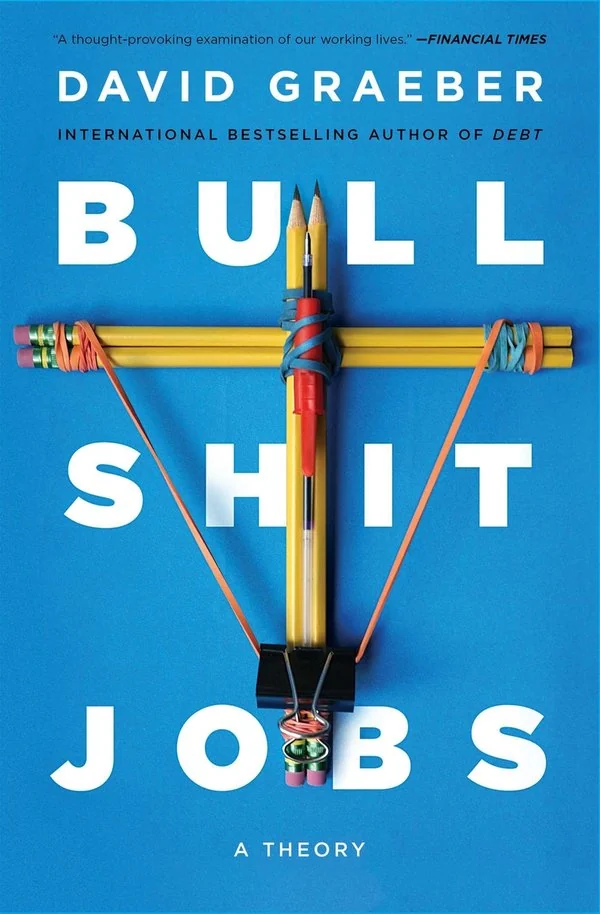
If the writing doesn’t have meaning, it’s worthless. It’s bullshit — not in the sense of Writing Without Bullshit, but in the sense of Bullshit Jobs.
If LLMs enable us to restrict our assignments and our work documents to meaningful work we’ll waste less time. And we’ll find that those are the assignments that no LLM can do well.
Worth a shot, don’t you think?