The problem with automation “at scale”
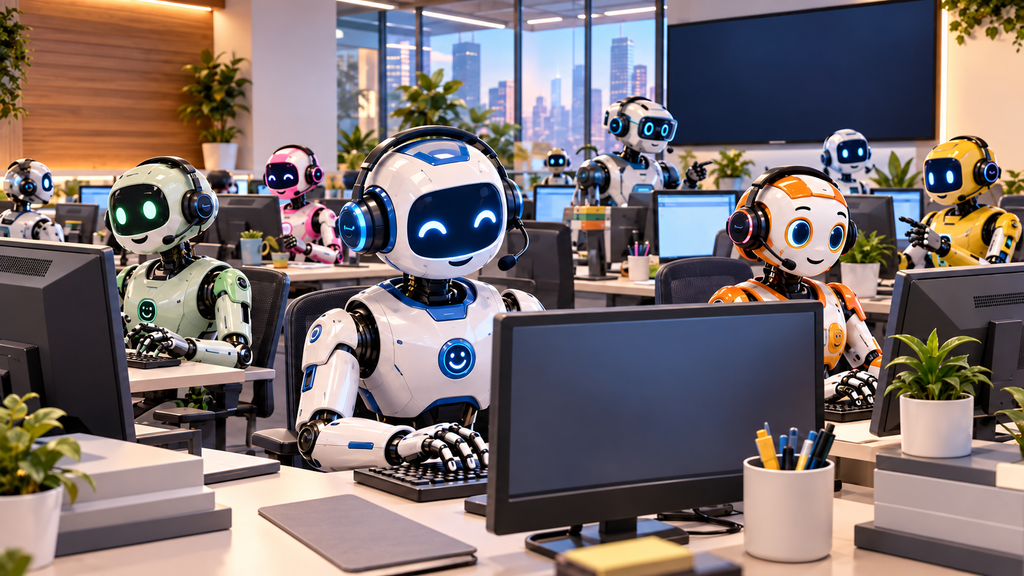
Senior managers are supposed to seek opportunities to operate “at scale” — that is, with the efficiency that comes from many repetitions.
For example: hand-coding a software application is inefficient. Better to use AI to code thousands “at scale.”
Writing market research reports is inefficient. Better to use AI to write them “at scale.”
Hiring is inefficient. Better to use résumé screening tools to automate hiring “at scale.”
Answering product support questions is inefficient. Better to use a chatbot to answer them “at scale.”
What’s lost
Four things are always true.
First, automating processes is nearly always faster and cheaper. Asking humans to do the same thing over and over is inefficient. AI has vastly improved what kinds of repetitive tasks can be accomplished with automation. More automation means more efficient control, fewer staff, and lower costs.
Second, automating processes always runs afoul of exceptions. The automatically coded application is buggy, the market research report misses a key insight, the hiring process screens out excellent candidates, the support process annoys the crap out of someone with two million social media followers.
Third, when people are accomplishing tasks, they can think creatively, identify opportunities, and use their experience to turn issues into breakthroughs. Once you’ve automated their work, you lose these opportunities. You’ve automated today’s tasks, but where will the learning and insight come from for tomorrow’s advances? Fewer humans means fewer “aha” moments.
And fourth, people prefer to deal with other people. The app user wants the developers to see what might be possible, or better. The reader of the market research reports wants to understand the insights of that report’s author. The hiring manager wants to look the candidate in the eye and identify the spark that might ultimately be more important than whether they’ve already mastered the tools of the job. The customer wants someone to hear and acknowledge their problem as much as they want it solved.
Automation removes these moments. AI is good at doing what people have done the way they’ve always done it, but that means progress only on the status quo. Creative improvement tends to start with people.
All of us dealing with automated systems has an unpleasant feeling that the world is getting crappier. That is no coincidence. It is getting faster and more efficient for routine work, but crappier for the moments that actually matter.
What this means for automation
People with automated tools perform better and faster than people without. I’m not advocating for a return to mechanical cash registers, the end of ecommerce, or cars assembled by hand.
But at some point, the efficiency becomes counterproductive.
So stop asking the question “Could AI do this job?”, because that almost always leads to a disservice for some users and customers.
Start asking “How could people do this job better?”
Every task automated is a lost chance for insight — unless you plan for a way to harvest that insight within the automated system.
I’m now an AI-enhanced writer, but I write every word myself. The results are better that way.
What do you do? How can AI enhance what you do? And what are you doing to preserve the opportunity for human connection and insight?
Please define AI-enhanced writer.
I use AI for many tasks including research, but not writing.