Four big questions to answer about your book in 2026
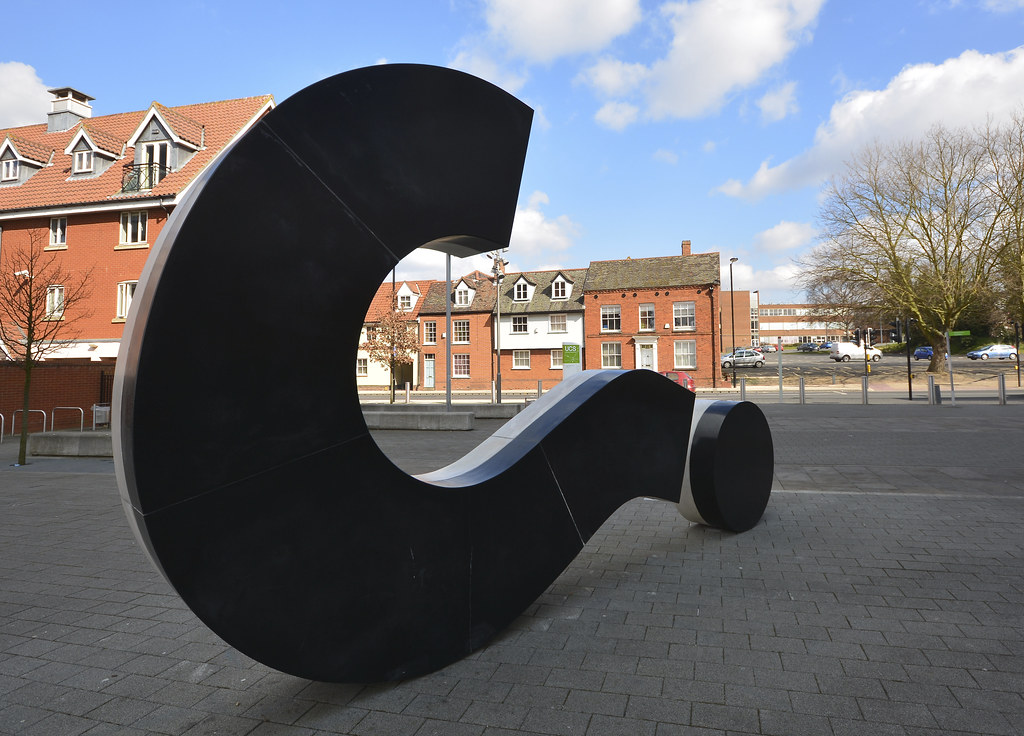
2026 is your year to write a nonfiction book.
George, Ed, Trevor, Blake, Mikhail, Alice, and Deborah have already pledged to get started (see yesterday’s post). Let’s see if I can help them, and you, to get off on the right foot.
The biggest challenge new authors have is: Where do I start? What do I do first?
I recommend starting by answering four big questions:
- What’s my idea?
- What’s my publishing path?
- How will my book help me?
- How will I incorporate book creation into my life?
Spend some time in the next three days working on these questions on your own or with a thought partner. Then, on Monday, I’ll give you a hint on how you can sharpen your answers.
Question 1: What’s my idea?
A book has to be based on an idea. You can’t just ramble aimlessly. (Well, you can, but no one will want to read that.)
Noodle on this: Who is the audience? What is their problem? What is your solution to their problem? And how is your book different from everything else out there?
For example, for my 2016 book Writing Without Bullshit:
- My audience was people who wanted to write better in a corporate environment.
- Their problem was the inefficiency of typical bloated, jargon-filled corporate communication.
- My solution was a set of principles to eliminate “bullshit” and create brief, clear, direct documents.
- My book was different because it acknowledged modern communication methods and was comprehensive, covering not only how to write but how to improve processes and author typical document types.
Most people who want to write a book have an idea. Sometimes they have too many ideas. But their ideas tend to be vague and unfocused. Sharpening your idea of your audience, their problem, your solution, and your differentiation will help you feel like you’re on the best possible path.
Question 2: What’s my publishing path?
You need to think about this at the start of your writing journey, not the end. How you intend to publish determines your schedule, your budget, and what you do to get started.
There are three basic paths:
- Traditional publishing. Pitching big-name publishers with a well-designed proposal, getting a book contract, and obtaining a book advance. This has the most impact, but takes the most work up front on the proposal and takes the longest time from idea to publication, often 18 months to 2 years.
- Hybrid publishing. Similar to traditional publishing, but instead of pitching publishers you hire a hybrid publisher like Amplify or Ideapress. This will cost you more up front, but cuts the time to publication to more like 9 months.
- Self-publishing. Anyone can self-publish a book on Amazon or Ingram Spark. This is the quickest, cheapest way into print (3 months or so), but has the least impact. It also puts more demands on you, the author, because you now need to manage page layout, covers design, and other aspects of publishing yourself.
Making this choice demands balancing impact, speed, and budget.
Question 3: How will this book help me?
A book is big effort. Don’t bother doing one unless you have an idea of how it will pay off for you.
As we learned in our business book ROI study, authors’ main goals were to generate more paid engagements (such as speeches and consulting leads), elevate topics to gain influence, and share their knowledge. Their main sources of revenue were speaking, consulting, workshops, sales for their organizations, and online courses.
Every author’s situation is unique. A lot depends on whether you’re an established speaker/thought-leader type, an executive within a company, or just an individual seeking to make a name for yourself.
It’s okay to be vague on this at the start. But you need to be building a plan so when your book succeeds, it makes you a success.
Question 4: How will you incorporate book creation into your life?
Books aren’t just about writing. They’re also about research and idea development. They often require collaboration with a smart editor. They don’t just “happen.”
It’s sort of like getting stronger at the gym. “I want to be healthier in 2026” is a terrible new year’s resolution, since it doesn’t describe what you will do differently. A specific resolution like “I will go to gym every Monday, Wednesday, and Friday morning and work with a personal trainer” is much more likely to pay off, because it’s not just a desire to get better, it’s a plan.
What’s your plan to make space and more importantly, time, for book creation in 2026?
Here’s an example of such a plan:
I will spend two hours per week on my book: one on Wednesday night and another on Saturday morning. I will spend that time writing ideas down, finding and summarizing sources, and working with a book coach.
Your plan probably will look different, but you do need one. Hope and yearning to be published don’t constitute a plan.
One more tip. You could start a project in your favorite AI system: ChatGPT, Claude, or Gemini, for example. If you become comfortable with AI, your LLM can function, in part, as your book coach.
That’s a lot, I know
These are big questions. But instead of spending every moment of the first four days of 2026 on eating snacks and binging TV, spend a little while starting on answers to these questions.
On Monday, I’ll show you a way to see if your answers are any good.