Don’t ramble. Here’s why.
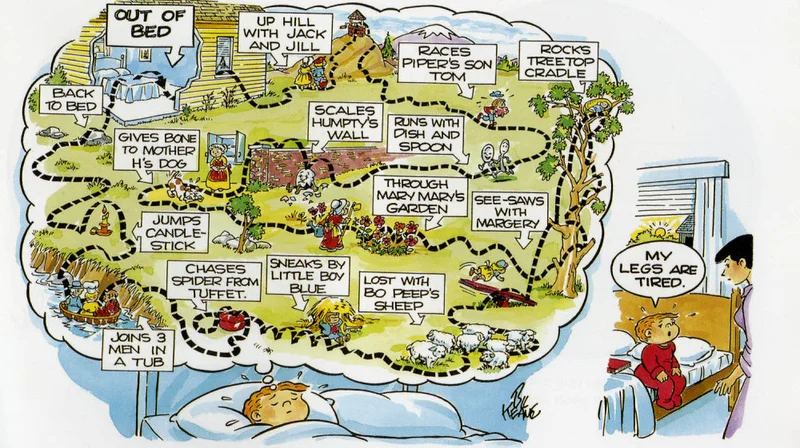
There’s writing in flow. Then there’s just making random connections and wandering. Rambling.
Don’t ramble. If you do, and I am your editor, I will tear my hair out and delete half of what you wrote.
The problem
If you ramble, at some point the reader will think “Why am I reading this?”
Then they will almost certainly give up on you.
Whatever you were trying to do in connecting with that reader, you won’t get the chance to do it.
Sure, it’s fun to ramble. But it’s not worth it.
How not to ramble
Start with a plan. Determine what you’ll be saying and in what order. Make a fat outline. Follow it.
If a digression occurs to you, take note of it and follow up later. If you find yourself digressing, put your digression into a notes file. Put it aside. Stay on the path.
Look at your digressions later, if you want. If they’re useful, find a place for them. But not the random place where they popped up when you were writing.
How to edit rambling text
My editing process is the reflection of the writing process I just described.
I figure out what the throughline of your chapter is (not always easy).
I identify which things you’ve written that take us off the path.
I delete them. Sometimes, I suggest putting them in a different spot.
As you can imagine, this can result in rough transitions as I excise some connective tissue. It’s works better if you edit it out yourself rather than making me do it for you.
Who can ramble
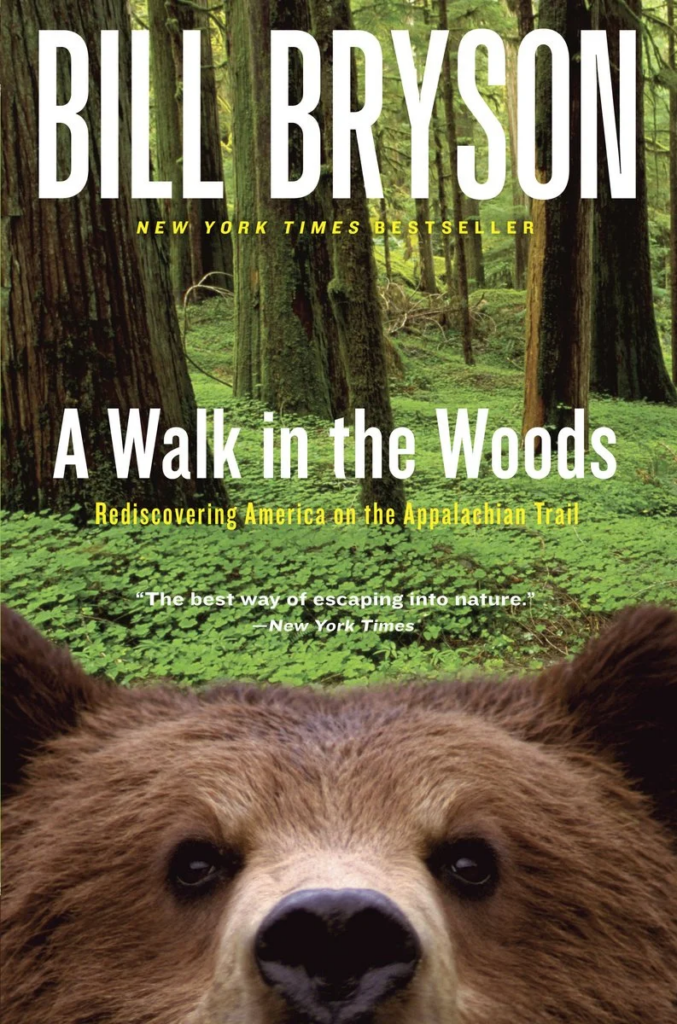
Bill Bryson can ramble.
David Foster Wallace can ramble.
They’re masters. The reader wants to follow them anywhere. They respect that, and take the reader on a journey that may not have an obvious destination.
You may imagine that you are Bill Bryson or David Foster Wallace. You’re not. So don’t ramble.
Jenny Lawson, in my opinion, has also earned the right to ramble. But even she has an editor to wrangle the rambling.