How to get on a conference panel
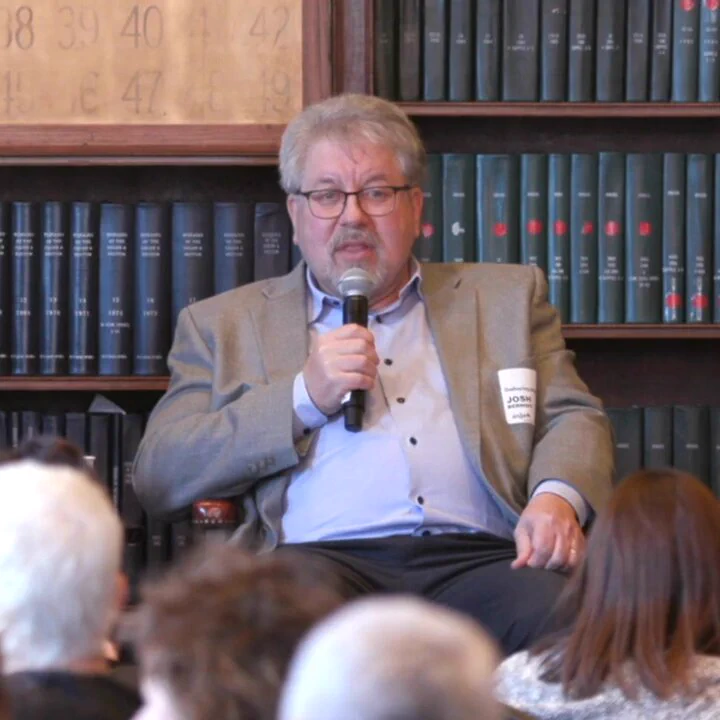
Visibility is important to anyone who wants to gain influence. It helps to get up on stage in front of your audience. But it rarely works to go to conference organizers and just ask, and those “I want to speak” forms usually require past speaking experience including a video.
The easiest way to start is get on a panel. You likely won’t get paid, but you’ll get seen, and you’ll almost certainly get a free conference ticket.
But how can you get on a panel?
That used to require a lot of schmoozing, volunteering, and networking — and of course, that still helps. But there’s an easier way.
How conference organizers fill panels now
Consider the event from the conference organizers’ perspective. They’ve decided that the conference needs a panel on topic X and they need speakers who’ve got knowledgeable opinions on that topic.
A conference organizer today is going to use an AI search — ChatGPT, Claude, or Perplexity, for example — to find exactly what they’re looking for.
Their prompt probably looks something like this:
- Find me the top ten options for an expert on publishing paths for authors. The person must live on the West Coast and must not be an employee of a hybrid publisher.
- Who are the best lawyers with expertise on copyright law who live in New York and have spoken on panels on that topic in the last five years?
- Suggest highly visible influencers on AI governance working in the following industries: manufacturing, retail, financial services, and media. Make sure your list has at least 40% women. Do not suggest anyone working for a tech vendor.
I promise you, there are conference organizers right now typing prompts like this into their favorite AI tool. Even if they’re using Google, they may have learned that they can ask longer, more detailed questions like this and get an answer from Gemini in the form of an AI summary.
Of course, it was always possible to do Web searches, but you’d likely land on people who’d used SEO to promote their sites and you’d have to figure out who lived in New York and who worked for a tech vendor yourself. Now AI can do that for you.
What this means for you: be visible
If you want to be found, you need to be visible. That means:
- Write your opinion in a publicly viewable place, for example, in a blog, on Substack, or in a podcast with a transcript attached.
- Include information about your location on your web site or LinkedIn. If you’re worried about sharing public information, you don’t need a full address, just “New York City” or “Chicago” or “Boston area.”
- Keep your LinkedIn up to date so LLMs can identify where you work.
If you do that — and you’ve expressed your opinion clearly on the topic people are searching for — the AI search will find you. The conference organizer will observe your site, your LinkedIn profile, and what you have written. And if they like what they see, you might get a call. And as a bonus: They’ll be asking you about what you are already knowledgeable about, because that’s what you wrote about.
It works. I’ve benefitted from this both as a conference organizer and a panelist. And it’s a whole lot easier, more effective, and more dignified than begging.